The Mission
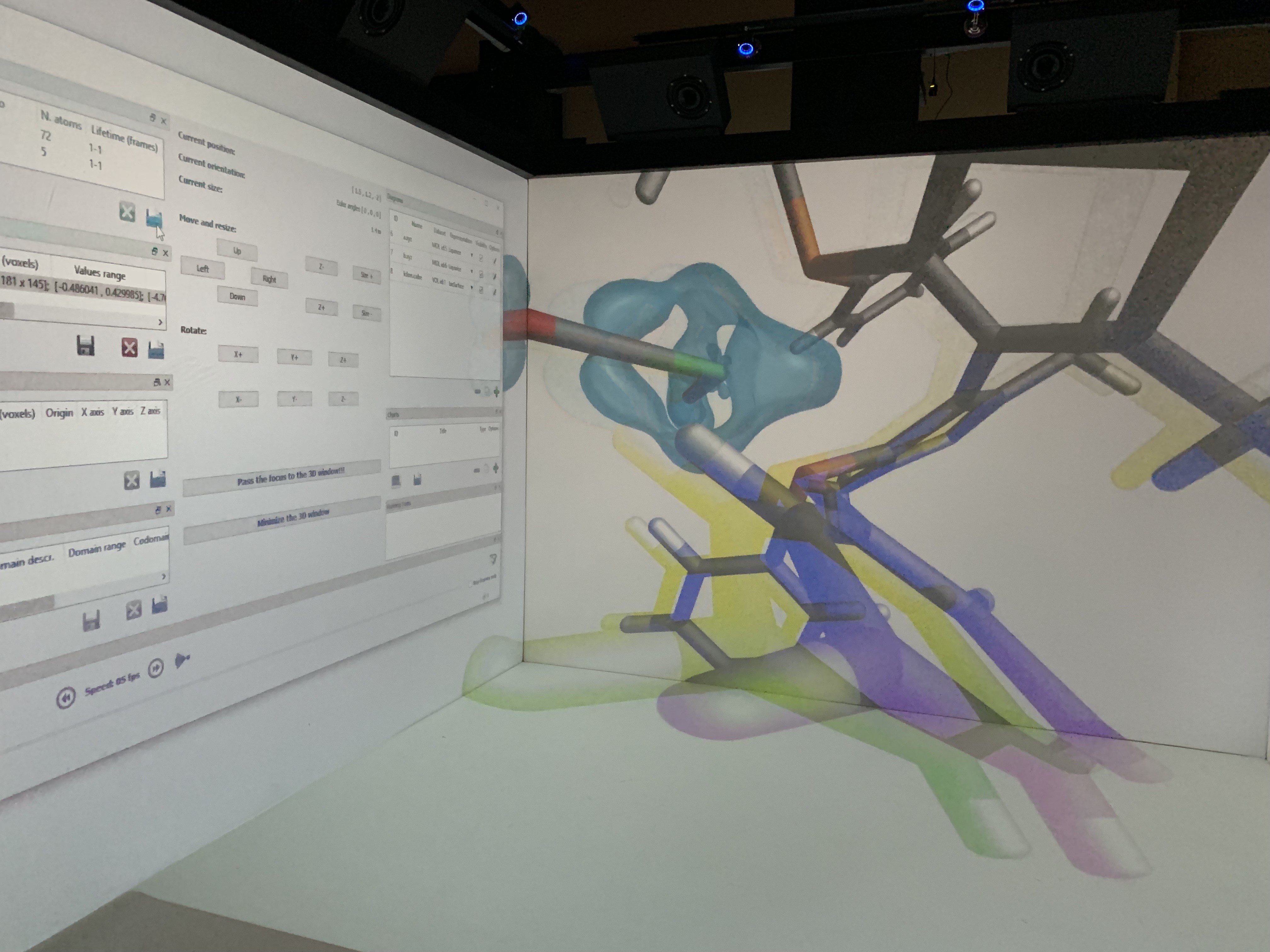
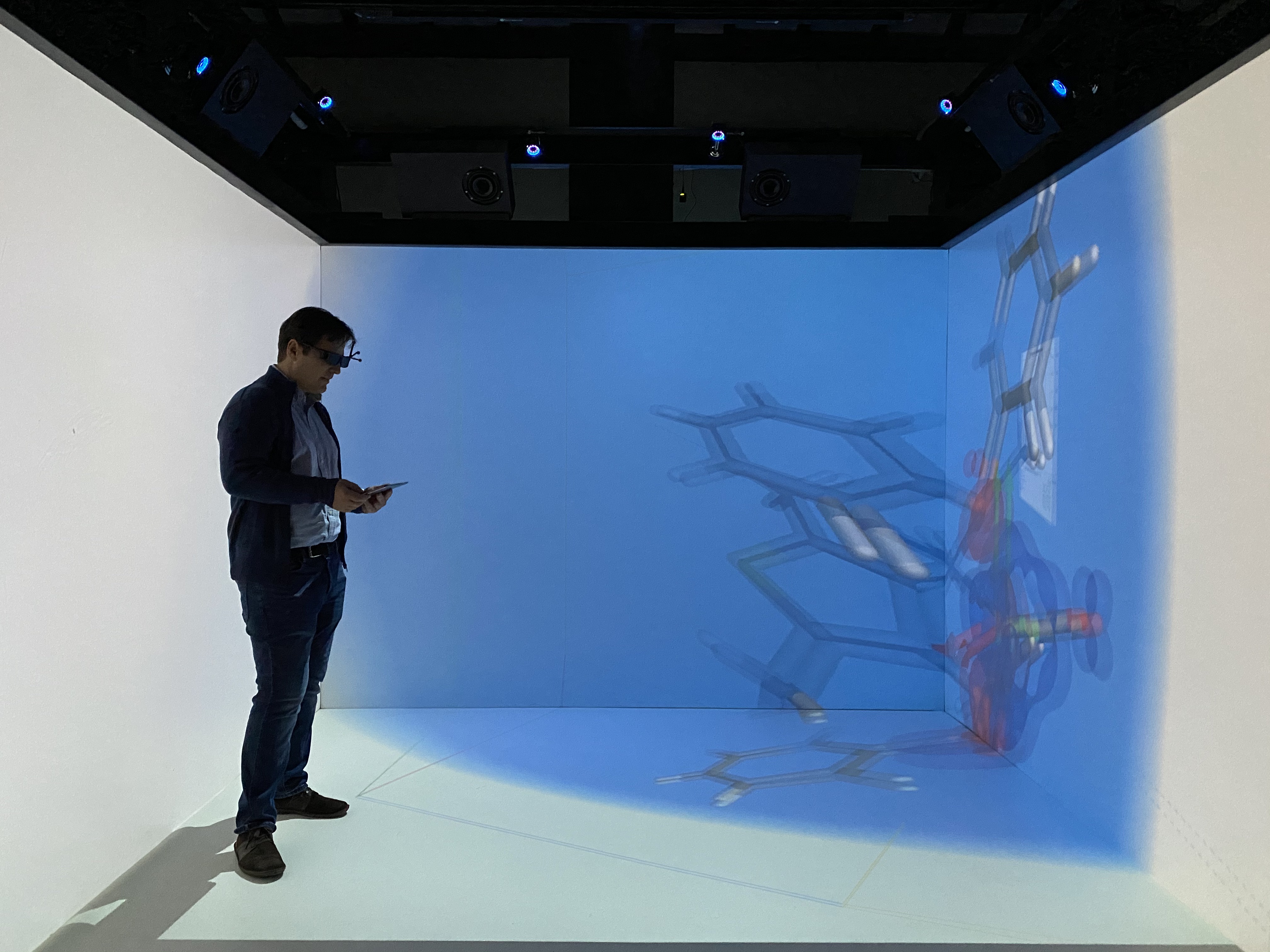
The initial objective was to empower both non-experts and experts alike to utilise computational chemistry tools. From command-line interfaces to visual representations, the challenge of software adoption and widespread accessibility has consistently been a focal point of these developments. Within the realm of Immersive Visualisation, we pioneered scientific visualisation and data handling through Virtual Reality technologies, becoming one of the pioneering institutions in Italy to install a C.A.V.E. (Cave Automatic Virtual Environment) system. The recent advancements in artificial intelligence and web technologies present novel opportunities to reevaluate the manner in which pre- and post-processing tools can be employed within computational sciences. This webpage presents a WebTools suite developed within an academic research environment, designed to support advanced molecular modelling and spectroscopy. Support for Virtual Reality and simple machine learning models is facilitated within the context of web-based tools that can be downloaded locally without necessitating the assistance of external web servers.
People
List of the people contributing.
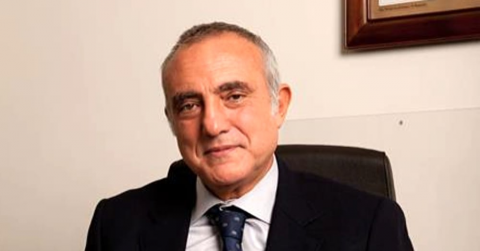
Vincenzo Barone
Vincenzo Barone is an internationally recognized theoretical and computational chemist with extensive experience in research, academic leadership, and research evaluation at national and European levels. His work integrates methodological development, interdisciplinary applications, and active involvement in research governance and science policy. He has held senior academic roles, coordinated major research programs, and served on numerous evaluation panels and advisory boards.
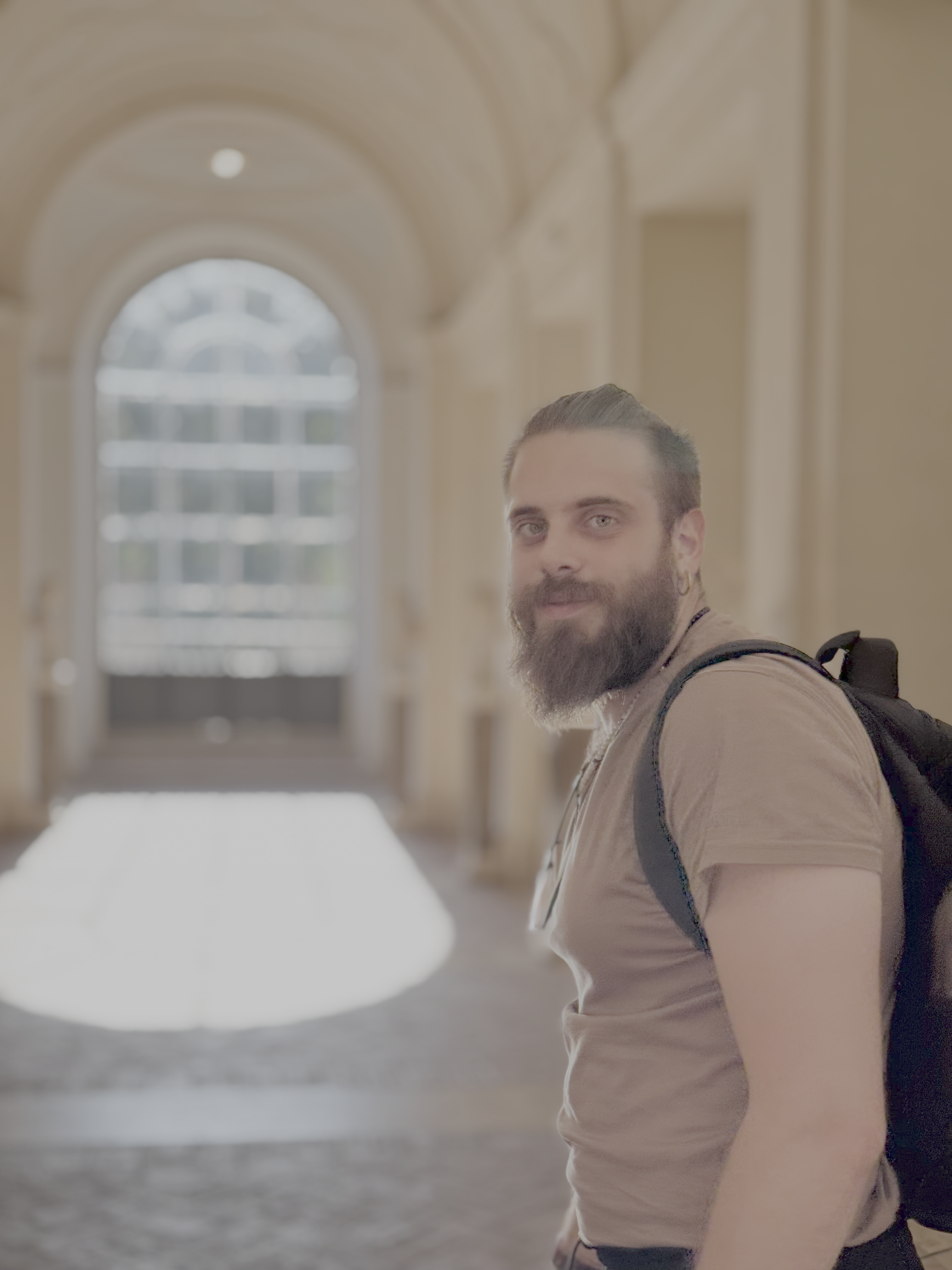
Luigi Crisci
Luigi Crisci is a first-year postdoctoral researcher at Scuola Superiore Meridionale working on advanced computational methods for accurate molecular structures and spectroscopic constants. His research spans composite coupled-cluster schemes, astrochemistry, atmospheric chemistry, and the modeling of gas-phase reaction kinetics and reactive intermediates. He is strongly committed to open science, developing and freely sharing reproducible codes and computational workflows.
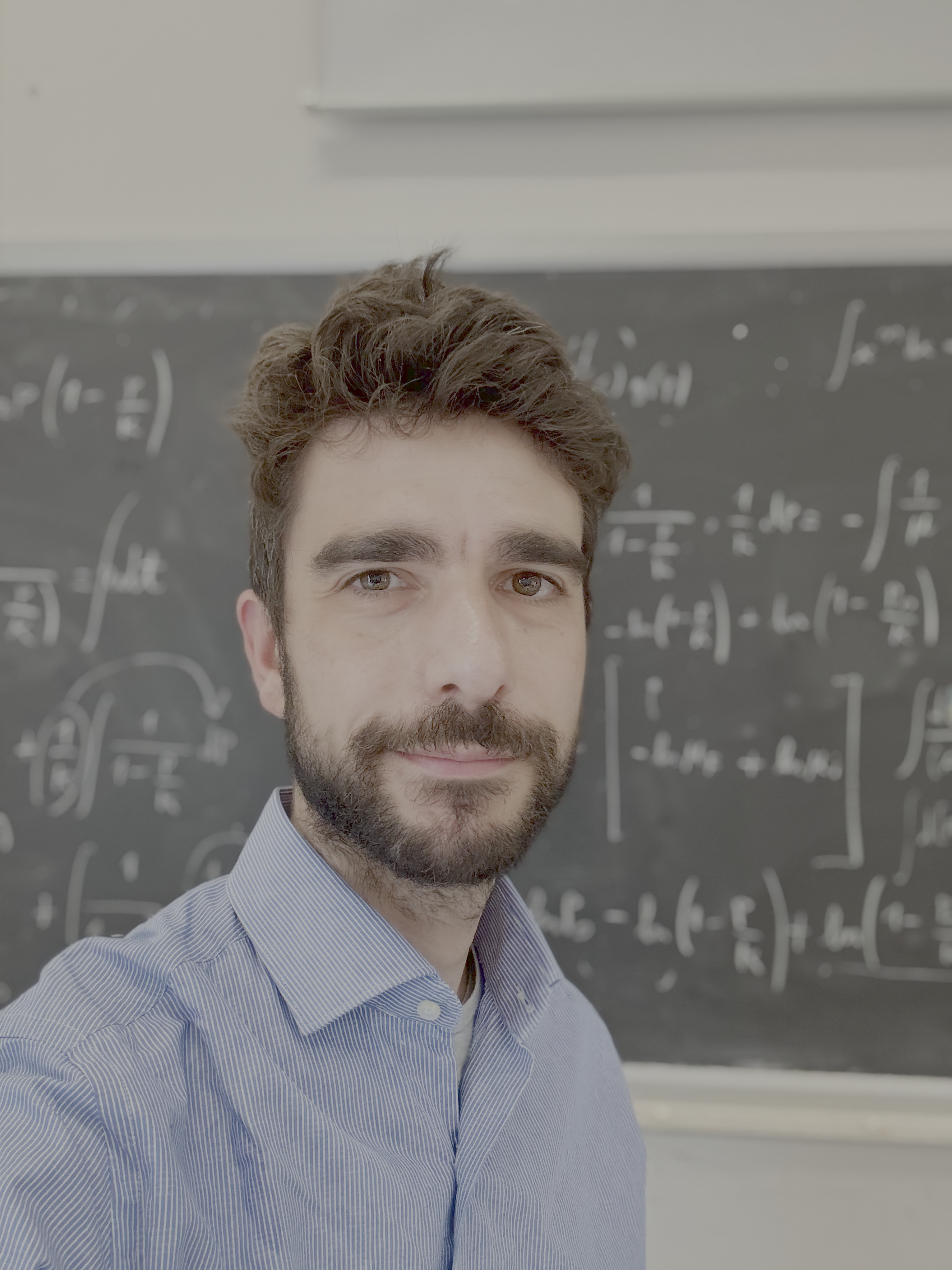
Federico Lazzari
Highly experienced postdoctoral researcher in physical chemistry with strong expertise in computational methods and software development (C++, Python, AR/VR). His work focuses on algorithm design, mathematical modeling, and emerging technologies such as machine learning and mixed reality. He is deeply committed to interdisciplinary research, collaboration, education, and the dissemination of scientific knowledge.